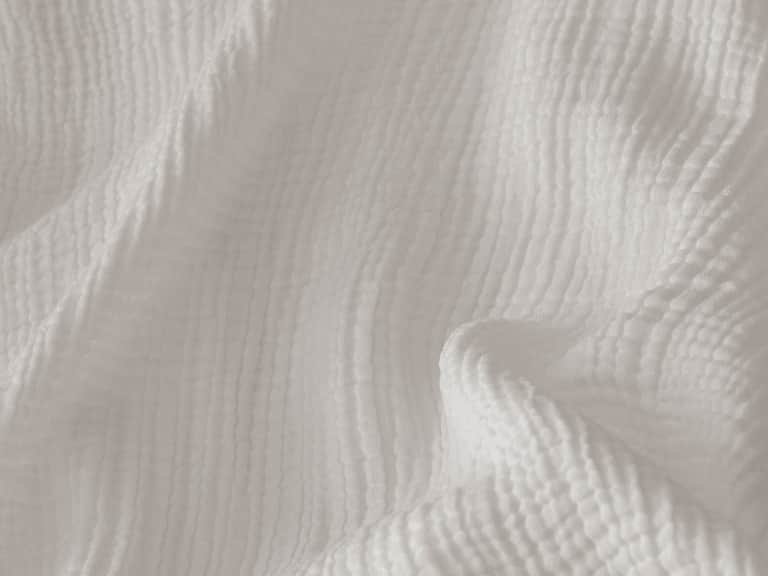
Blankets and quilts offer essential warmth and comfort across seasons, combining fabric weight, warmth ratings, and textile construction to meet varied sleeping preferences. Understanding the distinctions between heavyweight quilts, medium-weight blankets, and breathable throws helps determine suitable layering for different climates, bed sizes, and bedding systems such as organic mattresses or adjustable beds.
Core materials influence warmth, softness, and care requirements. Natural fibers like cotton, wool, and linen provide temperature regulation and durability, while blends can balance softness with resilience. When evaluating blankets and quilts, consider thread count, weave type, and fill power, as these impact insulation, drape, and ease of maintenance in daily use.
In this category, the Free New Bedcover demonstrates how functional bedding can blend aesthetic simplicity with practical benefits, featuring durable fabrics, edge finishing, and easy-care care instructions. Such pieces illustrate the importance of fit with standard bed dimensions and compatibility with protector pads, sheets, and pillow configurations for a unified sleep surface.
Layering strategies emphasize versatility: a lightweight blanket paired with a medium-weight quilt can adapt to changing temperatures, while wool blends often retain warmth when humidity fluctuates. For immediate comfort in transitional seasons, a rationale for selecting a breathable, moisture-wicking layer supports restful sleep under various bedding systems.
Key product attributes to note include size compatibility with common bedframes, care guidelines that preserve fiber integrity, and functional benefits like improved thermal balance or easy laundering. Incorporating bedding keywords such as sheets, pillows, and organic mattresses helps connect blankets and quilts to the broader sleep environment and overall bedroom comfort.
 Bedding